Hopefully the latter as it’s been a while since I’ve blogged on what’s been happening in DDaT. Since March, we’ve launched new platforms, redesigned services, introduced new ways of working, started building stronger user research capabilities and continued our journey towards a more user-centred design future for Luton.
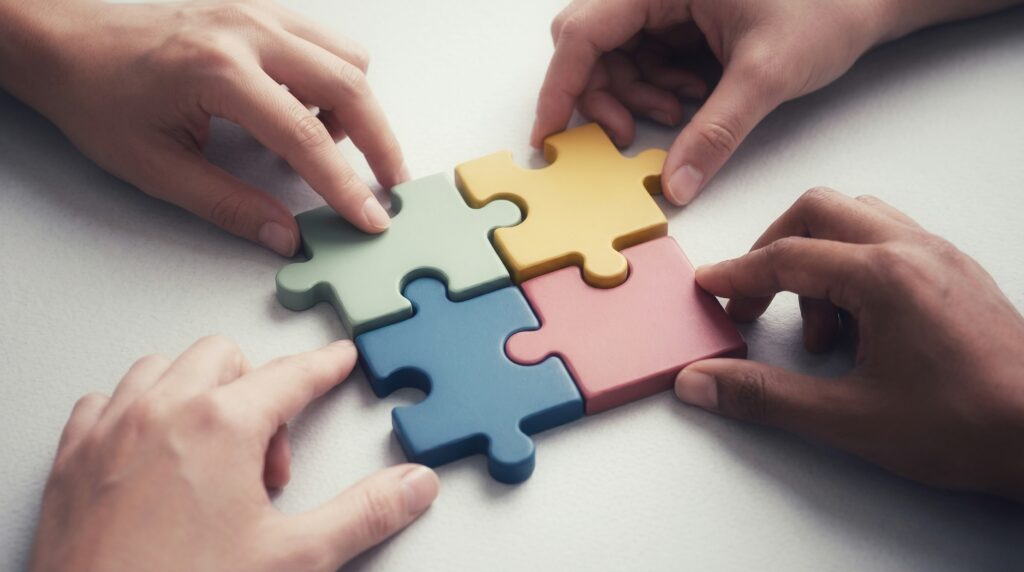
None of this has been possible by one solo effect or person, every achievement has involved colleagues across the whole council giving their time, expertise and energy to make things happen.
For me, I’m sitting down as I write this blog on the Eurostar on the way to DrupalCon 2026 in Rotterdam. It’s given me time to stop and look back at what has been achieved, hope you gain some insight from my summary…
A website is never just a website
One website continues to grow and mature following the migration of our namespace to Drupal.org and upgrade to Drupal 11.
What has been pleasing to see is how we are changing the way we think about digital services. Conversations that once focused on webpages now focus on UCD, content quality and resident outcomes.
We’ve continued refining content, improving navigation, developing governance processes and sharing our learning with councils across the country through presentations, conferences and the wider LocalGov Drupal community.
It’s been fantastic to showcase the work happening in Luton while also learning from others doing similar work. What started as a website project increasingly feels like the foundation of something much bigger, something pivotal for residents.
Low-code development moves from idea to reality
Another major milestone for DDaT has been the successful implementation and launch of our low-code platform, Netcall Liberty Create.
Over the summer we saw how we handle request for information cases e.g. FOI or SAR and what I like to call Triple C, which is compliments, complaints and comments move to our new platform. The project involved many stakeholders, and it was supported by countless hours of planning, testing, communications, training sessions and go-live support.
You can read more about the development on our blog as Kevin goes into more detail. Overall, it’s about creating a reusable foundation that allows us to build better services, faster and more consistently in the years ahead. Our aim, like many councils I suppose, is creating that 360 ‘golden thread’ of a resident and their interactions with us.
Turning our attention to waste services
Over recent weeks, a lot of our discussions have focused on bins, waste and recycling services.
That might not sound particularly exciting at first glance, but these are some of the highest-volume engagements residents have with the council every year.
We’ve been working alongside subject matter experts (SMEs), developers and content designers to rethink how residents check collection dates, report missed collections and find the information they need. The goal is straightforward: make common tasks easier and reduce frustration wherever possible.
There is still plenty of work ahead, but it’s encouraging to see teams coming together around user needs rather than organisational processes.
Listening to residents a little more
A recurring theme throughout the year has been reminding ourselves that good (digital) services start with understanding people.
We’ve spent time exploring how we can strengthen user research across the council. One approach has been the recent setup of our digital user research panel to help us test ideas, gather feedback and understand how residents really experience our services.
It’s a simple idea that I’ve seen other councils implement, but an important one.
Rather than internal myths, opinions or ‘guesses’ on what residents would do/want, we want to hear directly from them. The more we can place data led insight, evidence directly from the end user alongside SME knowledge, the better our decisions become.
Building stronger collaborative foundations
Now not every achievement, win, to do list completed has been visible.
Alongside all the changes we have delivered, we have also spent dedicated time changing how we work. Some of the foundations that support digital delivery, have had to pivot and adapt daily, from governance processes, request management.
As DDaT embark on a new chapter, we must not lose sight of the resident. We must continue to champion them in meetings, challenge and ask, ‘what happens if this goes wrong or is not available’. These micro adjustments in thinking and reasoning, can play a pivotal role in spreading the UCD ethos across the council.
Good (digital) services do not happen just overnight or by accident. It needs courageous people to say no and why instead of yes. They need the right environment for teams to work as a squad to succeed.
One more thing…
Thinking back over the past six months, what stands out for me is the willingness of people to collaborate.
Across DDaT, Comms, Customer Services, Information Governance, suppliers, service SMEs and communities like LocalGov Drupal, I’ve been fortunate to work with people who genuinely care about improving services for residents.
And, as always, thank you to everyone who has played a part in the journey so far…

Like

Love

Haha