As artificial intelligence continues to evolve, this in-person event provided valuable insight into:
- opportunities available through Microsoft Copilot and Copilot Agents
- how these tools could help transform the way teams access information, complete tasks, and support users
What a Copilot Agent an do
Copilot Agents are AI-powered assistants, designed to support specific business functions by drawing on:
- organisational knowledge
- processes
- documentation
Unlike traditional chatbots, agents can be tailored to particular teams and use cases, providing more targeted guidance and support.
During the workshop, we explored how agents can be:
- configured to assist users with:
- everyday activities
- answering questions
- providing guidance
- helping staff find information quicker and easier
- enhanced with:
- additional skills
- integrations, and automation capabilities
- the ability to:
- connect to business systems
- retrieve information from multiple sources
- support more complex business processes
Practical applications across DDaT
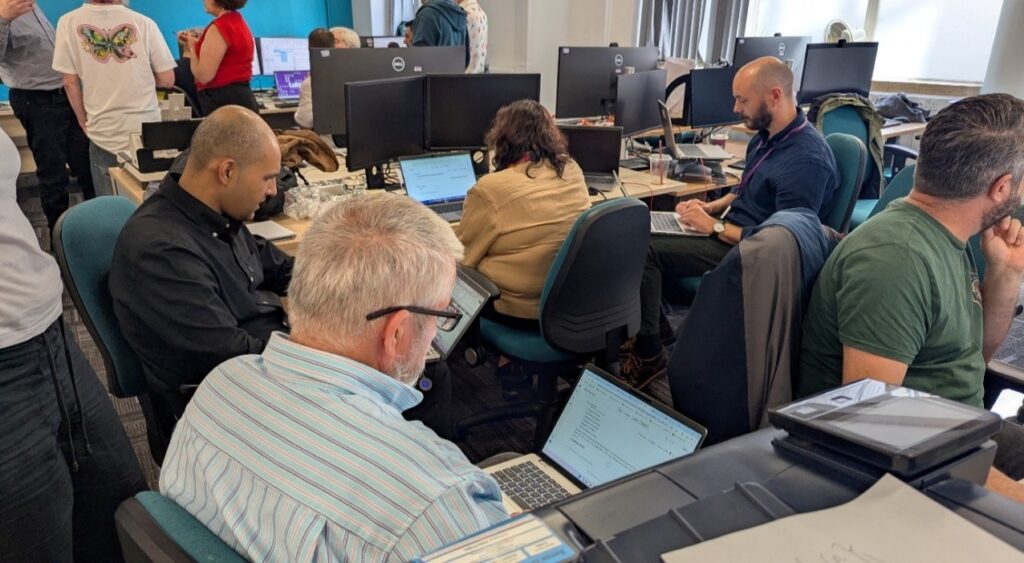
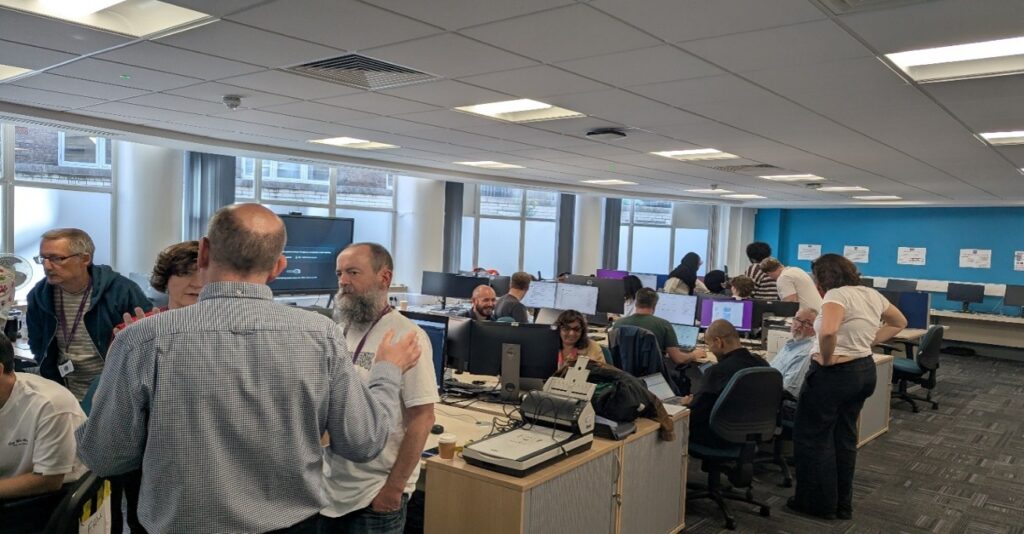
Participants also had the opportunity to build and test their own agents, exploring how knowledge sources, instructions, skills, and integrations can be combined to create assistants tailored to specific business needs.
Examples of usable agents developed during the workshop included the following.
- Document accessibility checker agent that helps convert documents into an accessible format, reducing manual checks and identifying accessibility issues.
- IT Service Desk knowledge agent that uses SharePoint knowledge articles and support documentation to answer common queries and help reduce avoidable calls and tickets.
- Software licence management agent that monitors licence utilisation, provides RAG reporting, identifies unused licences and sends notifications through Teams or email.
- Contract forecasting agent that analyses historical contract and spending data to help forecast future costs and support budget planning.
These examples demonstrated how agents can combine organisational knowledge, data, automation and integrations to solve real business challenges.
From information to action
A particularly interesting aspect of the workshop was exploring how agents can move beyond simply answering questions to become role-specific assistants.
Rather than directing users to documents, agents can do the following, to help users complete tasks more efficiently:
- interpret requests
- provide tailored guidance
- automate routine activities
- interact with other systems
The session also highlighted how multiple agents can work together across different areas of expertise, demonstrating the potential of AI, not just to provide information, but to actively help colleagues get work done.
Collaboration and innovation
The workshop demonstrated the value of collaboration between DDaT Luton, Microsoft and Kubrick Group in identifying opportunities to apply emerging technologies to real business challenges.
By combining technical expertise with knowledge of our services and processes, we can explore solutions that are:
- practical
- scalable
- focused on delivering tangible benefits for colleagues and customers
The session also highlighted the importance of ensuring that AI solutions are implemented responsibly, with appropriate governance, security, and user adoption considerations in place.
Looking ahead
The workshop provided an exciting opportunity to explore the potential of AI-powered agents and how they could support the future of DDaT and Luton Council.
As we continue to explore Microsoft Copilot, the focus will be on:
- identifying practical use cases that improve efficiency
- enhancig user experiences
- helping colleagues access information and support more effectively
Co-writer: Akwanwi Ndefru, Application Business Lead – Finance, DDaT Luton

Like

Love

Haha