Low code sprint 4 update
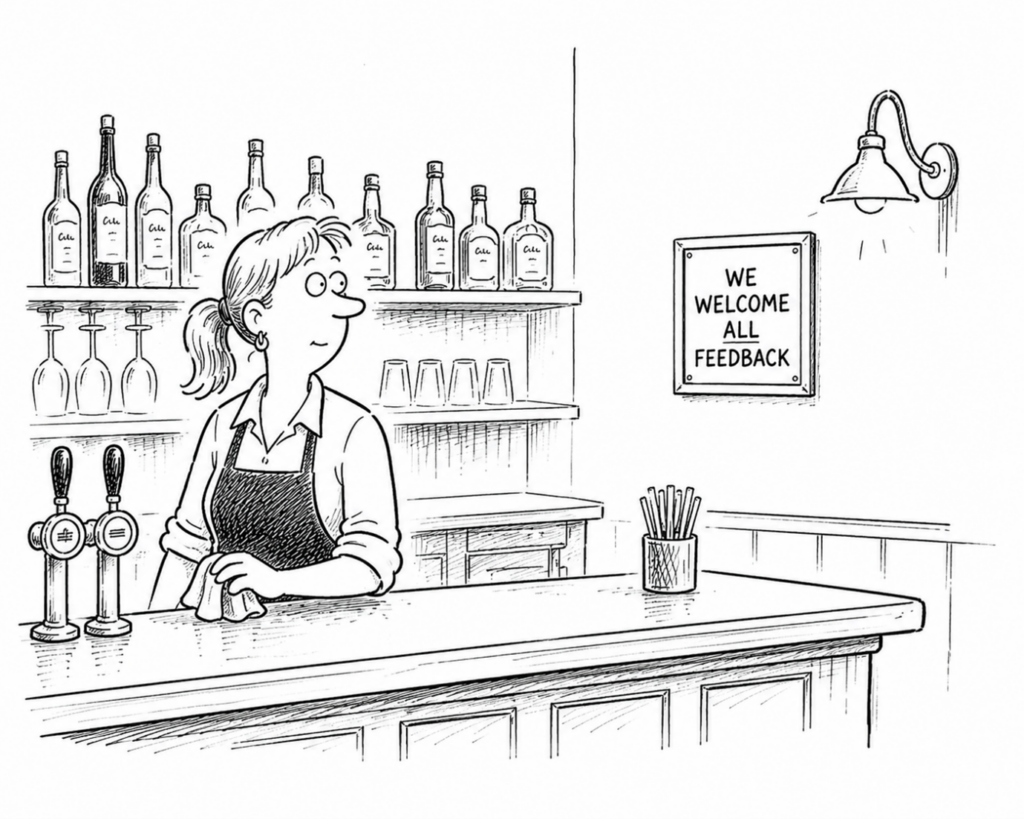
The title is a poor dad joke, but the work behind it matters. This isn’t just about proving the Digital Development team can deliver, or that Liberty Create is the right platform. It’s about the kind of council we want to be; one that listens, learns and improves.
Local residents and businesses don’t have a choice about whether they engage with us. We provide statutory services. We make decisions that affect people’s lives.
So when we get things wrong, it matters.
People need to be able to tell us.
We need to be held to account.
And we need to learn from it and change the way we do things.
Why this is harder than it sounds
This isn’t just a Luton problem. It’s the same across pretty much every council.
Part of the difficulty is that complaints don’t sit under one neat set of rules. Different services follow different legislation, guidance and oversight, and different types of cases come with different expectations around how they’re handled.
There are also multiple organisations governing how we do this, from the Local Government Ombudsman through to service-specific bodies like Children’s Social Care. This means complaints cannot always follow one simple process.
All of that is there for a good reason. It protects residents and makes sure councils are properly held to account. But it does make things complicated.
What starts as a simple piece of feedback can quickly turn into something that needs to follow a very specific process, with defined stages, timescales and reporting requirements.
Like most councils, we already have systems and processes in place to manage that properly. Our current system does a lot of what it needs to do. It tracks cases, supports the process and helps us meet our obligations.
The issue isn’t that nothing exists. It’s that the current setup comes with trade-offs.
- It’s costly to run and maintain
- It’s not well integrated with our wider platform or CRM
- It’s difficult to adapt as our organisation and services change
Even when the fundamentals are there, it can still feel fragmented. It’s harder than it should be to join things up, evolve the service over time and build a complete picture of what’s actually going on.
We can’t get rid of all that complexity. But we can do a better job of managing it behind the scenes, without making it the problem of the resident or the member of staff trying to do the right thing.
Sprint 4: building our first app
Sprint 4 has been almost entirely focused on building the complaints app, capitalising on all the foundation work we’ve been putting in place over the last few sprints.
So far we’ve:
- created a new online feedback form to make it easier for people to tell us what’s happened
- built out the underlying data model to capture, track and manage cases properly
- set up the basics for allocating work, tracking SLAs and reporting on performance
- added a few AI experiments to help summarise and draft responses
- spun up Test and Live environments so the team can test it and provide feedback
The next step is getting this in front of the complaints service for initial feedback. We like to do this early, then iterate a few times until it’s ready to go live.
Learning from others
We’ve also been spending time with other councils who are tackling the same problem.
This week, we caught up with colleagues at Westminster City Council, who are working on the second iteration of their housing complaints app. It was a really useful conversation.
Different setup, different platform, but many of the same challenges.
I took a lot of comfort from how similar the products are becoming. It’s a good sign that there’s a shared understanding of what ‘good’ looks like in this space.
It also reinforces the point that this isn’t an easy problem to solve. Everyone is working through the same complexity, just in slightly different ways.
It does make me wonder how much simpler this could be if there was more consistency across the different complaints frameworks councils work with. The oversight is important, and so are the protections that sit behind it, but residents shouldn’t have to feel the complexity of that landscape.
That’s the bit we can do something about locally: making the experience clearer, more consistent and easier to manage, even when the rules behind it are complicated.

Like

Love

Haha